
Table of Contents
Most people assume any night light will do — plug it in, forget about it, done. But if you’ve ever woken up at 2 AM to a harsh white glow that makes it harder to fall back asleep, you already know that’s not quite true. The color, brightness, and placement of a bedroom night light actually matter, both for how easily you fall back asleep and for basic safety when you’re navigating a dark room half-awake.
We looked into what separates a genuinely sleep-friendly night light from one that just adds unnecessary glare to your room, and picked options that cover the most common needs — from simple plug-in models to ones built specifically for kids. If you’re setting up a full bedtime atmosphere, this pairs well with our guide to the best galaxy projectors for bedroom use.
What to Look for in a Bedroom Night Light
Color and spectrum. For a bedroom, avoid treating color temperature as the only sleep-related spec. Evening light that is brighter and richer in short blue wavelengths has a stronger circadian effect, while dimmer, warmer light generally reduces that effect. An international expert consensus published in PLOS Biology recommends keeping evening melanopic light exposure low and making the sleep environment as dark as practical.
Bedtime Lights Without Blue Light: What Should You Choose?
If you are specifically looking for bedtime lights without blue light, start with a very dim amber, red, or extra-warm light rather than a bright standard white LED. True amber or red options can reduce short-wavelength output, while a warm-white light around 2700K can still be practical when kept dim. Brightness matters too: a bright warm lamp can be more stimulating than a tiny, low-output guide light.
For middle-of-the-night bathroom trips or checking on a child, a motion-activated amber or red night light is often more sensible than leaving a light on continuously. The goal is enough visibility to move safely without lighting the whole room. If you need a fuller explanation of room brightness, see our bedroom lumen guide.
Brightness (lumens). A bedroom night light doesn’t need to be bright — somewhere between 1 and 10 lumens is generally enough to navigate safely without fully waking you up. Hallway or bathroom lights can be brighter, but bedroom-specific ones should stay dim.
Sensor type. Dusk-to-dawn sensors turn the light on automatically as the room gets dark and off again in daylight — convenient for a “set and forget” light. Motion sensors only activate when they detect movement, which uses less power and avoids an always-on glow. Some products combine both.
Power source. Plug-in models are the simplest and never need charging, but they’re limited to wherever you have a free outlet. Rechargeable or battery-powered options offer more placement flexibility — on a nightstand, shelf, or wall — at the cost of occasional recharging.
Design. A night light that looks like it belongs in a nursery isn’t necessarily what an adult bedroom needs. Several brands now make deliberately minimal, neutral-toned designs meant to blend into a grown-up space rather than stand out.
Our Top Picks best night light for bedroom
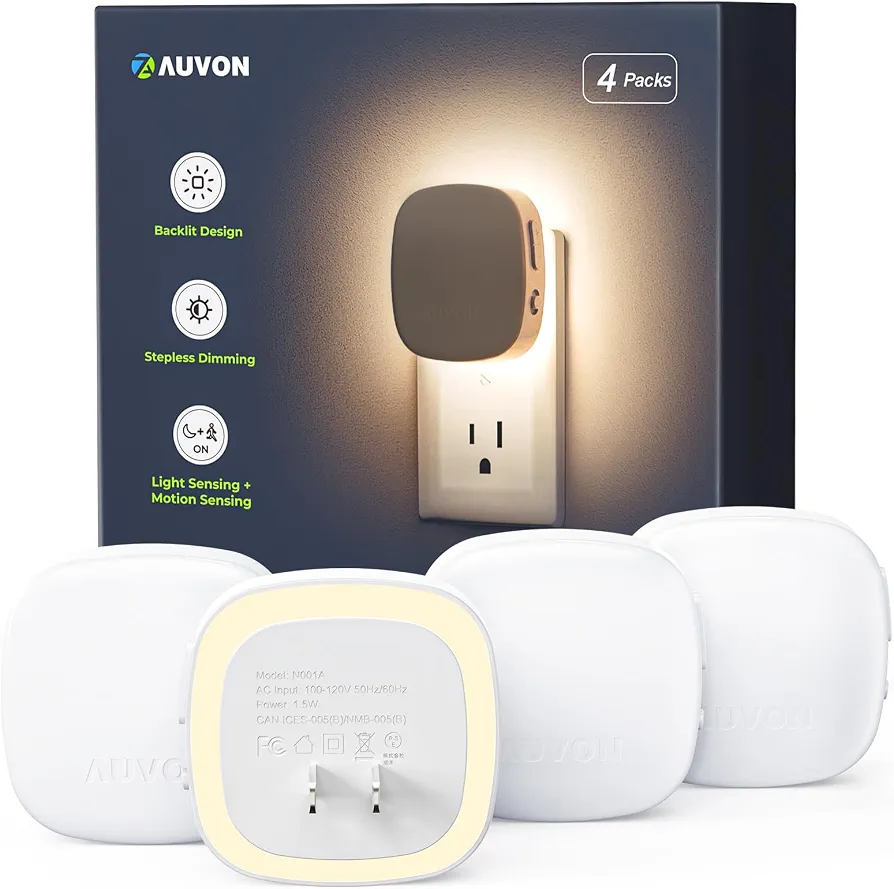
1. Dusk-to-Dawn Plug-In Night Light — Best Overall
This is the most common and reliable category, and for good reason. A simple plug-in unit with a light sensor turns on automatically at dusk and off at sunrise, with no need to remember to switch it on. Look for one offering a warm white or amber tone (avoid anything labeled 5000K or “daylight,” which is too cool for bedroom use) and adjustable brightness so you can dial it down to a lower setting for sleep.
Who it’s for: Anyone who wants a hands-off, reliable solution without thinking about it after installation.
Who should skip it: Anyone without a free, conveniently placed wall outlet near the bed.
2. Motion-Sensor Night Light — Best for Nighttime Trips
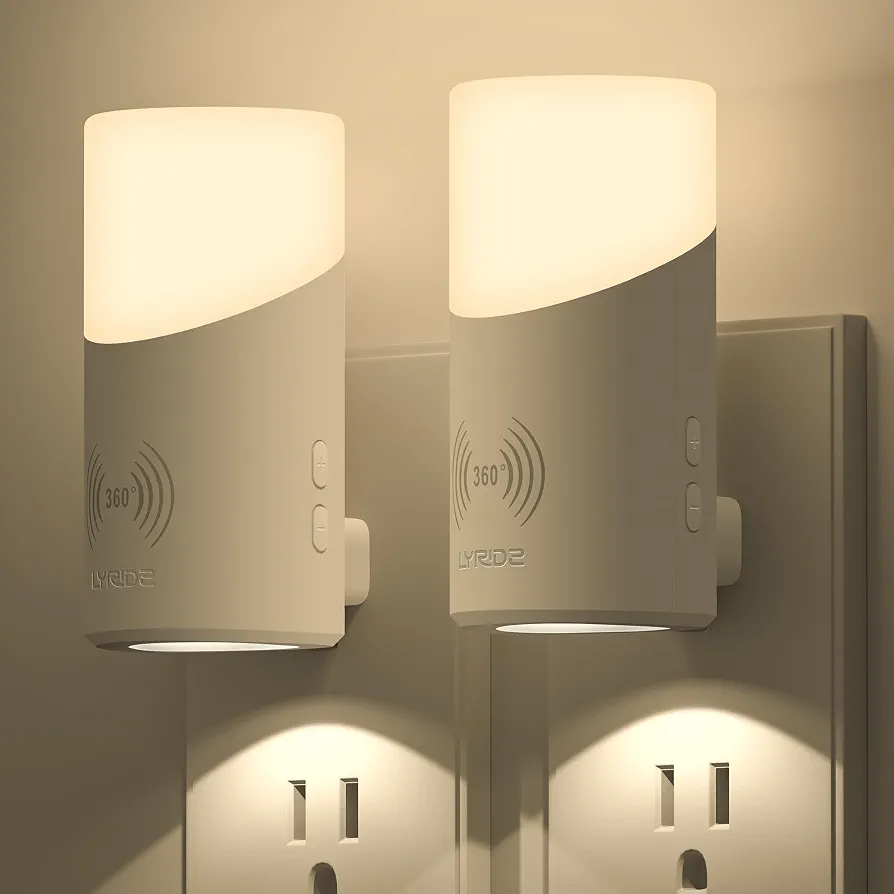
If you regularly get up during the night — for water, the bathroom, or checking on a child — a motion-activated night light is worth the small extra cost over a basic dusk-to-dawn model. It only lights up when it detects movement, then turns off again after a set period, which means no constant glow disturbing your partner while you sleep.
Who it’s for: Light sleepers, or anyone in a shared bedroom where a constantly-on light would be disruptive.
Who should skip it: Anyone who wants a soft, always-visible glow to orient themselves without moving first.
3. Rechargeable Cordless Night Light — Most Flexible Placement
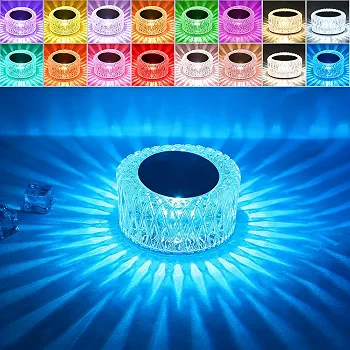
Cordless, rechargeable night lights (often magnetic or with a small stand) solve the biggest limitation of plug-in models — they’re not tied to an outlet. You can set one on a nightstand, shelf, or even take it with you if you’re staying somewhere unfamiliar. Battery life varies, but most last several nights on a single charge when used at low brightness.
Who it’s for: Anyone without a nearby outlet, or who wants the flexibility to move the light between rooms.
Who should skip it: Anyone who doesn’t want to remember to recharge a device periodically.
4. Dimmable Warm-Amber Bedside Lamp — Best for Sleep Quality
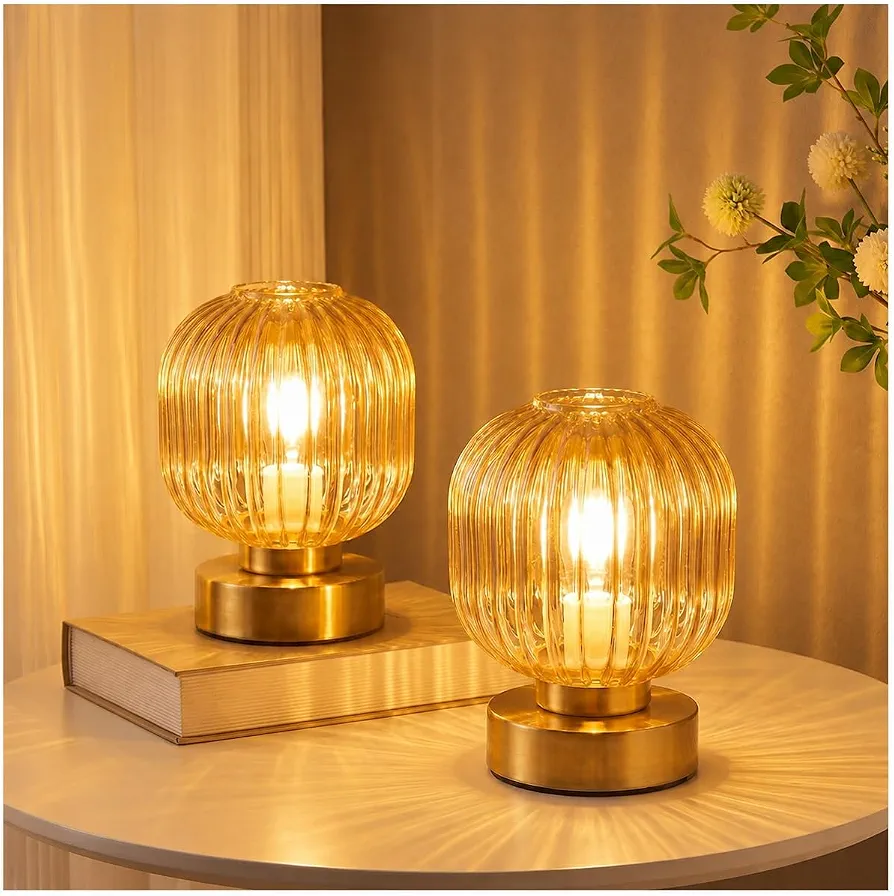
For anyone specifically trying to protect their sleep cycle, a dedicated dimmable lamp with a true warm amber or red-toned setting goes a step further than a standard night light. These are usually a bit larger — a proper bedside lamp rather than a small plug-in unit — but let you fine-tune brightness precisely and often include multiple color settings for different needs (reading, ambient glow, middle-of-the-night visibility).
Who it’s for: Anyone prioritizing sleep quality and melatonin-friendly lighting above convenience or minimal footprint.
Who should skip it: Anyone wanting a compact, install-and-forget solution rather than a lamp that takes up nightstand space.
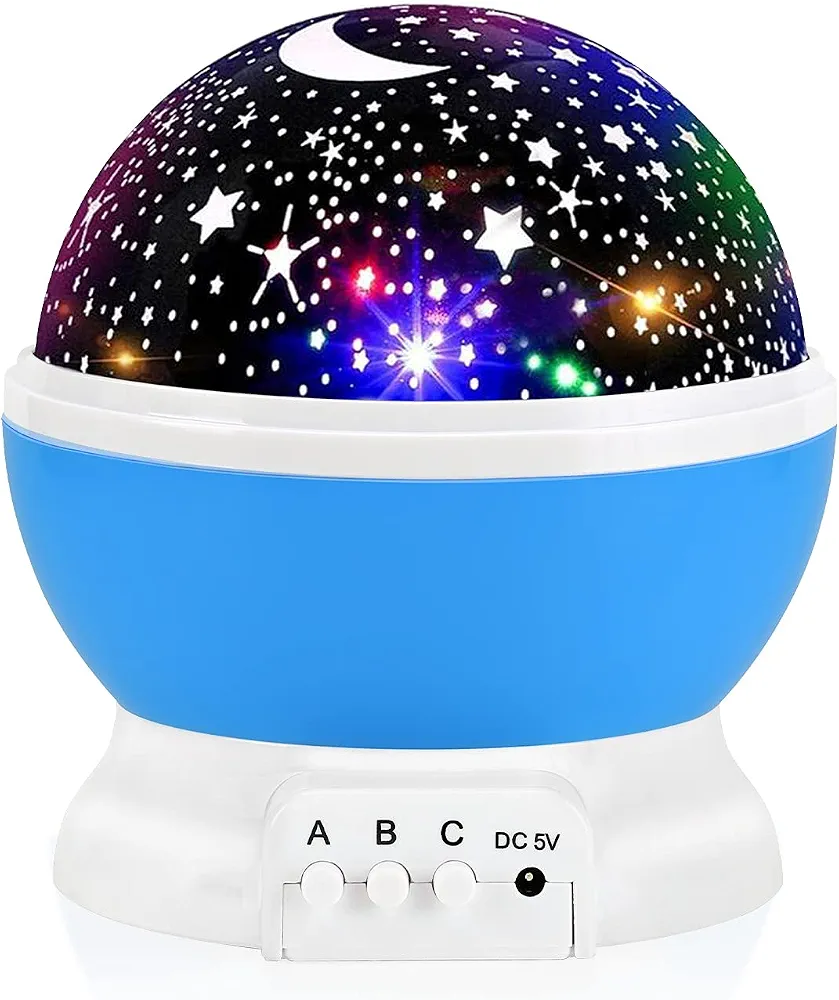
5. Kids’ Night Light (Moon/Star Design) — Best for Children’s Rooms
Designed specifically for younger children, these typically use a soft, low-brightness glow in a fun shape (moon, star, or animal designs are common) and often include a timer so the light doesn’t need to run all night. Many double as a decorative piece during the day, which kids tend to like.
Who it’s for: Parents setting up a calming bedtime environment for a child.
Who should skip it: Adults wanting a more understated, neutral design for their own bedroom.
Pros and Cons Summary
Plug-in dusk-to-dawn models:
- Pros: Reliable, no charging needed, inexpensive
- Cons: Tied to outlet location; always-on can be excessive for light sleepers
Motion-sensor models:
- Pros: Only lights up when needed; less disruptive to a sleeping partner
- Cons: Slightly pricier; won’t provide a constant ambient glow
Rechargeable/cordless models:
- Pros: Flexible placement; not outlet-dependent
- Cons: Requires periodic recharging; battery life varies by brand
FAQs
What color night light is best for sleep?
Warm amber or red tones, generally under 2700K, are considered the most sleep-friendly since they have the least impact on melatonin production. Cool white or blue-toned lights should be avoided in the bedroom.
How bright should a bedroom night light be?
Somewhere between 1 and 10 lumens is typically enough — bright enough to navigate safely, dim enough not to fully wake you up or disturb a partner.
Are night lights safe to leave on all night?
Yes, most modern LED night lights are designed for continuous use and consume very little power. If you’d prefer, models with a timer or motion sensor can limit how long the light stays on.
Do night lights help with fall prevention for older adults?
Yes — one of the most common reasons adults add night lights isn’t decor, it’s safety. A soft, low-level light near the bed or along a walking path significantly reduces the risk of trips and falls during nighttime bathroom trips.
Final Verdict
For most bedrooms, a simple dusk-to-dawn plug-in model in a warm amber tone covers the basics well and requires the least ongoing effort. If sleep quality is a bigger priority, or you’re sharing a room with a partner who’s sensitive to light, a motion-sensor or dimmable warm-toned lamp is worth the extra cost. For kids’ rooms, prioritize a low-brightness, timer-equipped design over anything with a large, always-on glow. For more ideas on getting your bedroom’s lighting right, browse our full Bedroom & Lighting category.
As an Amazon Associate, Zom5 earns from qualifying purchases made through the links on this page, at no additional cost to you.
Pingback: Best Table Lamps for Bedrooms in 2026: Buying Guide -